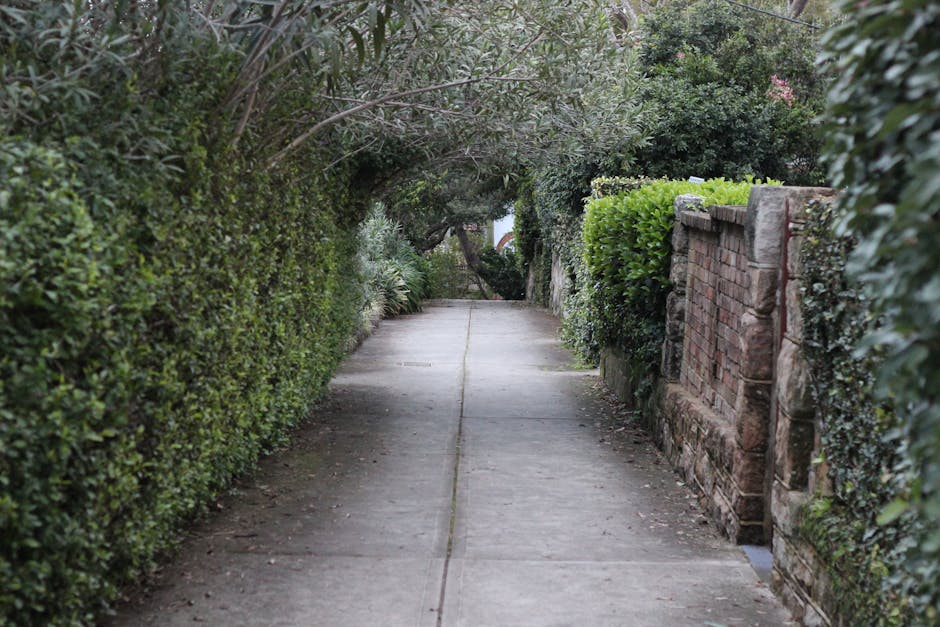
Common problems with access narrow gardens Southfields gardeners face
Narrow garden access can turn a simple tidy-up into a proper logistics puzzle. If you live in Southfields, you may already know the drill: a side passage that barely takes a wheelbarrow, a gate that sticks in damp weather, a back entrance shared with bins and bikes, or a long, awkward route from the street to the lawn. Those are the common problems with access narrow gardens Southfields gardeners deal with every week, and they affect everything from mowing and hedge trimming to clearance and landscaping. The good news? With the right approach, a tight garden can still be managed safely, efficiently, and without the stress that usually comes with cramped access.
In this guide, we'll look at the practical issues, why they matter, and how experienced gardeners work around them without causing damage, delays, or unnecessary cost. We'll also cover planning tips, best practices, and a realistic checklist you can use before booking any work. Let's face it, a narrow garden isn't a problem by itself. The access is usually the problem.
Why access issues matter in narrow Southfields gardens
Access sounds like a small detail until you're trying to move soil, hedge cuttings, tools, compost, timber, or a mower through a passage that is only just wide enough for one person. In narrow gardens, every extra step matters. The route in and out affects time, labour, waste removal, safety, and even the finish of the work.
In Southfields, you often see compact rear gardens behind terraces, maisonettes, and converted properties. Some have charming old brick paths, but charming does not always mean practical. A narrow side return, awkward step-up, or low archway can slow everything down. Sometimes the real issue is not the garden itself but the journey through the house-side gap before the gardener even reaches the first border.
This matters because access problems can create knock-on effects. Materials may need to be carried in smaller loads. Larger waste sacks may need to be split. Machines that work beautifully in open spaces might be unsuitable here. And if access is not assessed properly beforehand, the job can feel rushed, messy, or more expensive than it needed to be.
Key point: good garden work in a narrow space starts with the route, not the lawn. That sounds obvious, but people forget it all the time.
If you're comparing services, it helps to look at the broader scope too. A page like services overview can help you understand which jobs are more affected by restricted access, while routine garden maintenance is often the easiest starting point when space is tight.
How access work in narrow gardens works
Gardeners usually begin by mapping the access route. That may mean checking gate width, passage width, steps, surface conditions, turning space, and whether there are obstacles like hose reels, stored furniture, or fragile plants squeezed along the edges. It is not glamorous, but it avoids a lot of headaches.
Then the team decides how to carry out the work. In a tight garden, there are a few common methods:
- Hand-carrying materials rather than using larger barrows or heavy machinery.
- Working in smaller sections so waste and cuttings do not overwhelm the space.
- Using compact tools suited to reduced manoeuvring room.
- Protecting floors and walls along the access route to prevent scrapes and muddy marks.
- Scheduling smartly so the most disruptive tasks happen in the right order.
That last one is easy to overlook. For example, if a hedge is overhanging the access point, it may be trimmed before anything else. If heavy clearance is needed, that may happen before finer planting work. Simple sequence, big difference.
There's also the practical side of waste removal. In a narrow garden, cut branches and bagged debris can block the route very quickly. So gardeners often keep an eye on clearance throughout the job rather than waiting until the end. A tidy working method is not just neatness for the sake of it. It prevents trip hazards and keeps the job moving.
For bigger overgrowth or a complete reset, garden clearance is often the most useful service to consider first. If the access issue is made worse by trees, high branches, or blocked light, tree lopping and removal may also need to be part of the plan.
Key benefits and practical advantages
When access is handled well, even a cramped garden becomes much easier to maintain. That's the real win. The advantages are not abstract; they show up in smoother work, cleaner results, and less friction for everyone involved.
- Less risk of damage: narrow routes can scrape paintwork, dent fence panels, or crush planting if the work is not planned carefully.
- Faster completion: a clear route and the right tools save time, even if the garden itself is small.
- Better presentation: tidy access means fewer muddy footprints, fewer dragged clippings, and a cleaner finish overall.
- Lower disruption: neighbours, tenants, and householders notice when a job is organised rather than chaotic.
- Safer working conditions: less clutter and better movement reduce slips, trips, and awkward lifting.
There is another benefit people often miss: confidence. Once access is assessed properly, you can make better decisions about what the garden can realistically support. Maybe it needs low-maintenance planting. Maybe the lawn area is too awkward for a large mower but fine for smaller equipment. Maybe decking is a better use of the space than a high-maintenance border. That sort of thinking changes the whole outcome.
For homeowners weighing up longer-term changes, landscape gardening and landscaping can help turn difficult access into a design feature rather than a limitation. Not every garden needs to fight its own footprint.
Who this is for and when it makes sense
This topic matters if you own, rent, manage, or maintain a property in Southfields with limited side access, an awkward rear entrance, or a garden that can only be reached through a narrow route. That includes plenty of real-world situations:
- terraced homes with a slim side passage
- basement or lower-ground gardens with step access
- shared access with neighbours or service areas
- courtyard-style spaces where tools must be carried carefully
- overgrown plots that have become hard to enter properly
It also matters if you are booking work for the first time and do not yet know how much access will influence the job. Truth be told, people often assume the job quote is about the garden size alone. It isn't. In narrow-garden work, access can be just as important as square footage.
This is especially relevant when booking regular upkeep like lawn mowing or hedge work. If the space is difficult to reach, a one-off visit can be fine, but repeat visits become much easier when the route is kept clear and the work plan is realistic. Small detail, big difference.
Sometimes the right answer is a light-touch maintenance plan rather than a heavy intervention. At other times, a full reset is better. There's no medal for choosing the hardest route.
Step-by-step guidance for a smoother visit
If you want to avoid the most common access headaches, a simple process helps. Nothing fancy, just a sensible sequence.
- Measure the access route. Check gate width, side passage width, step height, and any bends or pinch points. A tape measure helps, but even a quick visual check is useful.
- Look for obstacles. Bins, bikes, hose pipes, broken paving, low branches, storage boxes, and fragile ornaments all make movement harder.
- Identify the heaviest tasks first. Clearance, pruning, and material removal are usually the most access-sensitive jobs.
- Choose the right equipment. Smaller, lighter tools are often better than one oversized machine that barely fits.
- Plan the route protection. Put down coverings where needed, especially through indoor corridors or alongside finished surfaces.
- Sequence the work. Start with the most awkward area before clutter builds up.
- Keep waste moving. Don't let cuttings pile up in the access route. That is where jobs begin to feel cramped.
- Review the result. Before packing away, check for missed debris, scuffed surfaces, or blocked exits.
A useful rule of thumb: if you think the route will just about work, it probably needs a better plan. That little bit of extra preparation can save an hour later on. Maybe more.
Expert tips for better results
Experienced gardeners tend to think about narrow access in a slightly different way. They do not just ask, "Can I get through?" They ask, "Can I get through comfortably, repeatedly, and without turning the whole job into a bottleneck?"
Here are the habits that make a real difference:
- Use the shortest possible carry route. If there are two ways in, choose the one that causes the least disturbance.
- Keep tools compact. Folding handles, smaller blades, and lighter equipment are often worth it in tight spots.
- Work top-down where sensible. Trim higher growth first so cuttings do not fall onto freshly cleared areas.
- Protect thresholds and corners. These are the places most likely to show wear.
- Batch similar tasks. Doing all pruning before all clearance, for example, can save repeated trips.
- Stay honest about feasibility. If a machine won't fit safely, it won't fit safely. There's no point pretending otherwise.
In our experience, the best results come from teams that treat access as part of the job design, not just the route to the garden. That sounds slightly formal, but it's really simple in practice.
Also, a quick human note: narrow access often reveals how much stuff has quietly accumulated over the years. A broken plant pot here, a rusting chair there. The garden becomes a storage relay race. Happens all the time.
Common mistakes to avoid
Most access problems are manageable. The trouble usually starts when people make assumptions. Here are the ones we see most often.
- Assuming standard equipment will fit. It may not, and forcing it can damage both the space and the equipment.
- Not clearing the access route first. Even a few moved items can make a dramatic difference.
- Underestimating waste volume. Narrow gardens can generate surprisingly awkward piles of cuttings.
- Ignoring surface protection. Mud, gravel, and wet clippings do not mix well with indoor floors or clean paving.
- Starting with the wrong task. If you clear the easy bits first, the hard bits can become even harder.
- Leaving sharp turns or steps for later. That is usually when fatigue and frustration kick in.
Another mistake? Thinking access only matters for big projects. It matters for small ones too. A quick hedge trim can become fiddly if every trip in and out means negotiating a narrow gate with shears, waste bags, and a watering can in the way. It's the little jobs that often expose the tightest pinch points.
Tools, resources and recommendations
You do not need a warehouse full of specialist gear to handle a narrow-garden job well. What matters more is choosing tools that suit the space. In practical terms, that often means:
- compact hedge trimmers and pruners for controlled cutting
- lightweight lawn tools for smaller lawn areas
- manageable waste bags or tubs instead of oversized containers
- folding or modular tools that are easier to carry through tight routes
- protective sheets or coverings for sensitive walkways
Where a garden has become heavily overgrown, the right starting point may be a basic tidy and route clear-out before anything decorative is attempted. That is often more sensible than trying to do every task in one pass. If the space has old timber, uneven levels, or a tired rear platform, it can be useful to review decking services as part of a broader access-friendly redesign.
For longer-term upkeep, a routine plan is usually more effective than waiting for the garden to get unmanageable. That applies to hedge work, mowing, and seasonal clearance. Simple, regular maintenance is often the cheapest way to keep a tight site workable. Not glamorous, but true.
Law, compliance, standards and best practice
For most home garden jobs, the main compliance concerns are practical rather than legal. The focus is on safety, property care, and responsible working methods. That said, good practice still matters a great deal, especially where access is limited.
Gardeners working in tight spaces should think about safe lifting, trip hazards, clear escape routes, and avoiding damage to neighbouring property. If access involves shared areas, it is sensible to agree the route in advance and keep disruption minimal. If the work includes trees, higher risk cutting, or larger removals, added caution is wise and the job may need more planning.
It is also sensible to check that the provider has appropriate safety processes and insurance arrangements. You should not have to guess. Pages such as insurance and safety and health and safety policy can give a clearer sense of how a business approaches those responsibilities. If you care about environmental handling of green waste, recycling and sustainability is also worth reviewing.
Best practice, in plain English, means this: protect people, protect property, and do not make the access route worse than it was before the job began. Simple enough. Not always simple to execute, which is why experience counts.
Options and comparison table
When dealing with restricted access, there is rarely one perfect method. The right approach depends on how tight the space is, how much work is needed, and how much disruption you can tolerate. The table below gives a useful comparison.
| Approach | Best for | Strengths | Limitations |
|---|---|---|---|
| Full manual carrying | Very narrow routes and delicate surfaces | Highly controlled, low risk of damage | Slower and more labour-intensive |
| Compact equipment | Routine maintenance and moderate access limits | Efficient without being oversized | Not suitable for every task |
| Section-by-section work | Overgrown or cluttered gardens | Keeps routes clearer and jobs manageable | Requires careful planning |
| Clearance-first method | Blocked or neglected spaces | Restores access before finer work begins | Can feel less visually satisfying at first |
In many Southfields gardens, the section-by-section or clearance-first method works best. It keeps the space workable and stops the garden from becoming one giant pile of cuttings by lunchtime. Which, to be fair, nobody wants.
Case study: a real-world Southfields scenario
Picture a typical Southfields rear garden behind a terrace. The garden itself is not huge, but the access is the real issue. There is a narrow side passage, a step down into the garden, and a gate that opens only partway because it brushes against a wall. The lawn has become patchy, a hedge leans into the path, and there is a pile of old pots near the back.
On paper, it looks like a straightforward tidy-up. In practice, every trip in and out slows things down. A standard mower is awkward to turn. Clippings have to be bagged in smaller loads. The hedge needs to be cut back before the passage feels comfortable. If the team ignores the access issue, they spend the day nudging past obstacles and working around bottlenecks.
The better approach is simple: clear the gate area first, trim the obstructing hedge, remove waste in smaller amounts, and then deal with the lawn and final detailing. Once that order is used, the garden feels less cramped almost immediately. You can see the difference in the first hour. The air smells fresher, the route opens up, and the work stops fighting itself.
That is the real lesson. In narrow gardens, order matters just as much as effort.
Practical checklist
Use this checklist before any garden work where access is tight. It keeps things sensible.
- Have I measured the narrowest point of access?
- Do I know whether gates, doors, or side passages open fully?
- Are there steps, slopes, or uneven surfaces to account for?
- Have I cleared bins, bikes, toys, and loose items from the route?
- Is there enough turning space for tools and waste bags?
- Do I need surface protection for flooring or paving?
- Will the planned equipment fit safely and comfortably?
- Is the job better done in sections?
- Will waste removal create a blockage if left too late?
- Do I need maintenance, clearance, or a larger redesign?
Practical summary: narrow access is manageable when you plan the route, use the right tools, and keep the working area clear as you go. Most problems come from rushing, guessing, or trying to do too much at once.
Conclusion
The common problems with access narrow gardens Southfields gardeners face are less about the garden being small and more about the everyday realities of moving through it safely and efficiently. Tight gates, cramped side returns, awkward steps, fragile surfaces, and cluttered routes can all make routine work feel unexpectedly complex. But once the access is assessed properly, the whole job gets easier.
Whether you need mowing, hedge trimming, clearance, tree work, or a broader landscaping change, the smartest approach is the one that fits the space you actually have. Not the ideal space in your head, but the real one outside your back door. That honesty saves time, money, and a fair bit of frustration.
If your garden has become difficult to reach or maintain, it may be worth reviewing the full range of services and policies before booking. You can start with the services overview, then explore maintenance options as needed. And if you want to understand the team behind the work, about us gives helpful background. For booking questions or a direct conversation, head to contact us.
Get a free quote today and see how much you can save.
Frequently Asked Questions
What are the most common access problems in narrow gardens?
The biggest issues are usually narrow gates, tight side passages, steps, low overhangs, poor turning space, and awkward routes for waste removal. Muddy surfaces and clutter make things worse fast.
Can gardeners work in a very narrow Southfields garden?
Usually, yes. The job just needs to be planned differently. Smaller tools, manual carrying, and a sensible order of work often make a big difference.
Does narrow access make garden work more expensive?
It can, because the work may take longer and require more labour. That said, the final cost depends on the actual task, how blocked the access is, and whether clearance is needed first.
What should I tell a gardener before they visit?
Be clear about gate width, steps, awkward turns, locked entrances, and any storage or obstacles on the access route. A quick photo or video is often useful too.
Is garden clearance harder with poor access?
Yes, because waste needs to be carried out in smaller loads and piled waste can block the route. That is why clearance is often planned first in tight spaces.
What if my side passage is too narrow for a mower?
Then the gardener may use smaller equipment or switch to manual methods. Sometimes the route itself needs clearing before any machine can be used safely.
Can landscaping help with access problems?
Absolutely. Good design can improve movement, create better storage for tools, and reduce bottlenecks. In some gardens, landscaping is as much about usability as appearance.
Do I need to clear the garden before the gardener arrives?
It helps a lot, especially where access is already limited. Moving bikes, bins, loose pots, and garden furniture can save time and reduce the chance of damage.
What kind of jobs are most affected by narrow access?
Clearance, hedge trimming, tree work, and larger maintenance jobs are usually the most affected. Regular light maintenance is often easier to manage than a full one-off overhaul.
How do gardeners protect my property during access?
Good practice includes using coverings where needed, carrying tools carefully, and avoiding repeated bumps against walls, fences, and door frames. The route should be left as clean as it was found, ideally cleaner.
Should I choose maintenance or clearance first?
If the garden is heavily overgrown or blocked, clearance first is usually the better choice. If the garden is basically in shape but awkward to reach, maintenance may be enough.
How do I know if my garden needs a redesign for better access?
If you keep having the same problems every season-difficulty mowing, awkward waste removal, repeated damage, or unusable corners-it may be time to rethink the layout. A better route can make the whole garden easier to live with.