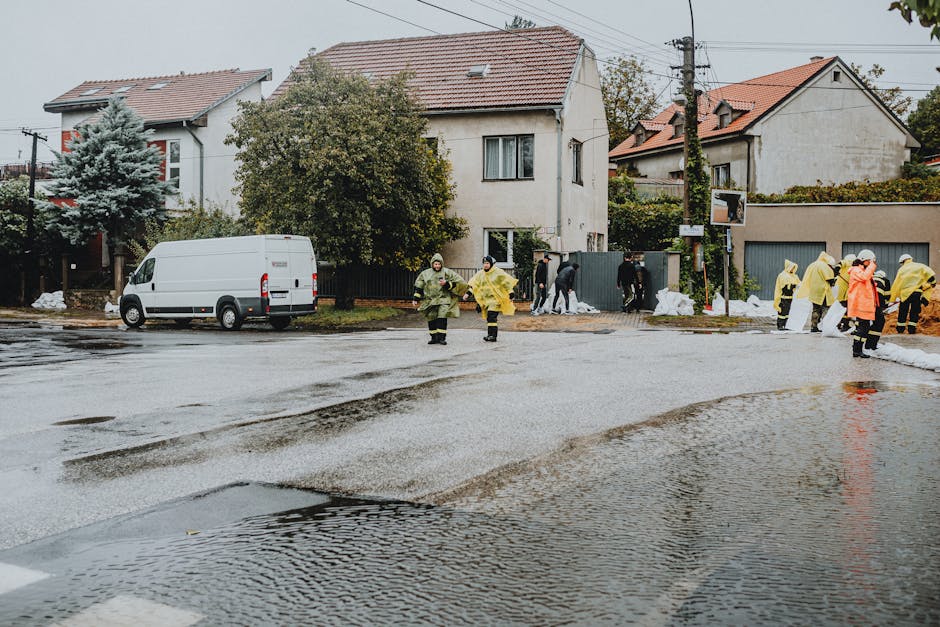
Emergency gardeners Southfields same day rescue for flooded lawns
When a lawn turns into a soggy, squelching patch overnight, it can feel a bit grim. You look out in the morning and instead of grass you see standing water, flattened turf, and muddy footprints from the cat, the dog, or even your own shoes. That is exactly when Emergency gardeners Southfields same day rescue for flooded lawns becomes more than a convenience. It becomes the quickest way to stop a bad situation from getting worse.
Flooded lawns are not just messy. They can suffocate grass roots, compact the soil, encourage moss and fungus, and leave a garden unusable for days or weeks. The good news is that a same-day response can often limit the damage, improve drainage, and set the lawn up to recover properly. In this guide, we will walk through what emergency lawn rescue involves, why timing matters, what a good gardener actually does on arrival, and how to decide whether you need immediate help or a more planned repair.
If you are dealing with a waterlogged lawn in Southfields right now, the aim is simple: reduce damage fast, protect the rest of the garden, and get the ground back to a workable state without guesswork. Let's get into it.
Why Emergency gardeners Southfields same day rescue for flooded lawns Matters
A flooded lawn is one of those problems that looks harmless at first glance. After all, grass likes water, right? But there is a big difference between healthy moisture and prolonged saturation. When water sits on the surface or the soil stays airless for too long, the roots struggle to breathe. Turf becomes weak, then thin, then patchy. In some cases the lawn can literally start to die back in sections.
This is why same-day action matters. An emergency gardener is not there just to "tidy up". The main job is to triage the lawn quickly: identify why the area is flooding, remove trapped water where possible, reduce pressure on the turf, and stop repeat damage from foot traffic or blocked drainage. A fast response can also save you from secondary issues like slippery paths, mud being tracked indoors, or water spilling toward fences, sheds, decking, or patio edges.
In Southfields, gardens often face a mix of compacted soil, shaded patches, narrow side access, and hard landscaping nearby. Those conditions can make drainage problems show up suddenly after heavy rain. Truth be told, a lawn can look fine for months and then fail after one wet week. That is why local, same-day rescue work is so useful: it is responsive, practical, and based on what the garden is actually doing on the day.
Practical takeaway: the faster you deal with standing water, the more likely you are to preserve healthy grass and avoid bigger repair work later. A flooded lawn left alone usually gets more expensive to fix. That part is not glamorous, but it is very real.
How Emergency gardeners Southfields same day rescue for flooded lawns Works
The best emergency lawn rescue starts with a quick assessment. A good gardener will not rush straight in with a machine and hope for the best. They will look at where the water is pooling, whether it is surface water or a deeper drainage issue, and whether the surrounding features are making things worse. Is the lawn sitting lower than the paths? Is runoff coming from a driveway? Has a border become blocked with debris? Those details matter more than people often realise.
In a same-day visit, the process usually follows a sensible order:
- Assess the source of flooding. This could be heavy rainfall, blocked drainage, compacted soil, broken gutter runoff, or a low-lying area that traps water.
- Protect the lawn from extra damage. That means limiting traffic, marking soft areas, and stopping unnecessary walking across saturated turf.
- Remove visible standing water if practical. Depending on access and volume, this may involve careful surface water management and clearing debris that is holding the water in place.
- Improve short-term airflow and drainage. The gardener may use methods such as surface aeration, spiking, or gentle lifting of compacted areas where suitable.
- Deal with blocked edges, outlets, or surrounding garden issues. Sometimes the lawn is only part of the story, and nearby borders, gullies, or garden clearances need attention too.
- Recommend follow-up recovery work. A flooded lawn often needs a second stage: overseeding, topdressing, drainage correction, or longer-term maintenance.
If the garden needs broader clearing before the lawn can recover properly, it may make sense to look at garden clearance alongside lawn rescue work. Similarly, if the issue is part of a larger outdoor refresh, broader landscaping or landscape gardening planning can help stop the same flooding pattern from repeating.
Sometimes the visible water is only the symptom. The real problem may be years of soil compaction, poor levels, or tired edging that lets runoff collect in one spot. That is why emergency garden care should be both fast and thoughtful. A proper rescue is a bit like first aid, not surgery. Quick relief now, smarter repair next.
Key Benefits and Practical Advantages
Same-day rescue for a flooded lawn is not just about speed. It has a few practical upsides that are easy to miss when you are standing there in your boots trying not to sink into the mud.
- Less turf loss. The sooner standing water is managed, the better the chance of keeping healthy grass alive.
- Reduced soil compaction. Wet lawns get damaged easily by footsteps, tools, bins, or even pets running through them.
- Cleaner, safer garden access. Waterlogged areas often become slippery and awkward, especially around paths and steps.
- Earlier diagnosis. A fast visit can reveal whether the issue is isolated or part of a drainage problem.
- Better long-term planning. You are not just treating the puddle; you are getting a plan for the next stage of recovery.
- Less stress. To be fair, when the garden is flooding and rain is still falling, reassurance matters too.
There is also a quiet financial advantage. Emergency intervention may sound like an extra cost, but in many cases it helps avoid a larger bill later. A lawn that has to be fully re-laid because it was ignored can be far more expensive than a same-day rescue and recovery plan. No one enjoys spending money on grass. But replacing a dead lawn is less fun, obviously.
If your garden needs ongoing care after the initial rescue, regular garden maintenance can help keep drainage issues from creeping back in unnoticed. And if the area also has mature hedges or overgrown borders holding water back, hedge trimming may help improve airflow and light across the lawn.
Who This Is For and When It Makes Sense
This service is for anyone whose lawn has become waterlogged and needs fast, sensible intervention. That includes homeowners, landlords, managing agents, tenants with permission to arrange garden work, and property managers looking after a shared outdoor space. It is especially useful if the flooding is preventing normal use of the garden or creating a risk of damage spreading to nearby structures.
It makes the most sense when:
- there is standing water after heavy rain that is not draining away;
- the lawn has gone soft, patchy, or visibly stressed;
- the garden is muddy enough to cause tracking into the property;
- water is beginning to affect borders, sheds, fences, or decking;
- you need a quick turnaround before visitors, tenants, or family use the garden;
- you suspect blocked drainage, compacted soil, or an uneven lawn profile.
It may be less urgent if the lawn is merely damp and the water clears within a reasonable time. Not every wet patch needs emergency work. That said, if the grass stays sodden into the next day, smells swampy, or you can still see footprints holding shape in the soil, that is usually a sign the ground is struggling.
A small aside from experience: people often wait one extra week hoping the garden will sort itself out. Sometimes it does. Often it does not. By the time the grass has started yellowing, you are already in recovery mode. Better to be a bit early than a bit late.
Step-by-Step Guidance
If you are trying to decide what to do before help arrives, this is the practical sequence I would follow.
- Stop unnecessary use of the lawn. Keep pets, children, and foot traffic off the area as much as possible.
- Check where the water is coming from. Look at guttering, downpipes, overflows, low points, and nearby hard surfaces.
- Move lightweight items away. Chairs, plant pots, toys, wheelbarrows, and bins can all worsen compaction if left on wet grass.
- Clear obvious debris. Leaves, twigs, and cut grass can trap water on the surface.
- Take a few photos. They help you compare before and after and can be useful if you need to explain the issue to a landlord or insurer.
- Arrange a same-day assessment. The aim is to understand whether the lawn needs drainage help, aeration, clearance, or a longer repair plan.
- Follow the recovery advice. This might include not mowing too early, avoiding feeding saturated turf, or reseeding damaged areas later on.
After the immediate rescue, the follow-up matters. A lot. If the lawn was badly flattened, there is often a temptation to mow it short as soon as it looks a bit drier. That usually backfires. Wet, stressed grass is fragile. If you cut it too soon, the lawn can thin out further instead of recovering.
Where the garden has a bigger build-up of waste, old leaves, or broken planting debris, a targeted garden clearance visit can be the right next move. If the runoff seems related to overhanging branches, blocked light, or debris from trees, tree lopping and removal may also be worth discussing carefully.
Expert Tips for Better Results
Some lawns bounce back beautifully after flooding. Others stay patchy for months. The difference usually comes down to a few small decisions made early.
First, respect the soil. Wet soil compacts easily. That means every extra step on it pushes air out and makes drainage worse. If you only remember one thing, remember that.
Second, don't rush the mower. A flood-damaged lawn needs recovery time. Wait until the surface has properly drained and the grass is standing reasonably upright before cutting it.
Third, think about edges and levels. A lawn can drain poorly because the borders are too high, the soil has settled unevenly, or hard landscaping has become the low point. In some gardens, modest regrading or structural changes are what solve the issue, not just a one-off fix.
Fourth, keep an eye on recurring patterns. If the same corner floods after each storm, that is a clue. Not a mystery. The garden is telling you something. Usually quite loudly, if the water is ankle-deep.
Fifth, ask for a recovery plan, not just a quick tidy. A proper service should be able to explain whether the lawn needs aeration, overseeding, drainage correction, turf repair, or just time and monitoring.
Where outdoor timber or paved features are already present, it can be smart to review how water moves around the garden. The presence of decking services in the wider property can matter because raised platforms and edge details often affect runoff patterns more than people expect.
Common Mistakes to Avoid
Flooded lawns are easy to make worse without meaning to. Here are the big ones.
- Walking on the lawn repeatedly. It seems harmless. It is not.
- Mowing too soon. This can tear damp grass and compact the soil further.
- Adding fertiliser in a panic. Feeding a stressed, waterlogged lawn is often pointless and sometimes counterproductive.
- Ignoring the cause. If you only deal with the visible puddle, the next storm brings the same issue back.
- Raking aggressively. Heavy raking on wet turf can lift healthy grass and make bare patches worse.
- Letting debris sit for days. Leaves and cuttings hold moisture and block airflow.
One of the more common mistakes, oddly enough, is trying to "fix" drainage with random digging. A bit of amateur trenching can create new low points, disturb roots, and make the lawn look patchy in a hurry. Unless you know exactly where water should move, less is often more.
If you are not sure whether the issue is mainly drainage, overgrowth, or surface damage, a broader review of services overview options can help you choose the right next step rather than guessing your way through it.
Tools, Resources and Recommendations
An emergency gardener will typically bring the right tools for the job, but it helps to understand what those tools are actually doing. No need to become a lawn geek overnight. Just enough to make sensible decisions.
| Tool or method | What it does | Best used when |
|---|---|---|
| Surface clearing | Removes leaves, twigs, and debris that trap water | The lawn is blocked or covered after heavy rain |
| Manual water management | Helps redirect or remove shallow surface water | There is visible standing water but access is tight |
| Aeration or spiking | Creates openings for air and water movement in compacted soil | The lawn is soft, dense, and slow to drain |
| Topdressing | Improves surface level and supports recovery | The lawn has settled unevenly or has poor structure |
| Overseeding | Replaces thin areas with fresh grass growth | Flooding has left bare or weak patches |
| Drainage correction | Addresses the cause of repeat flooding | The same area floods again and again |
For many Southfields gardens, the practical recommendation is not a single dramatic fix, but a sequence. Clean it up, open the soil, watch how it behaves, and then decide whether a more structural solution is needed. That staged approach tends to produce better results, especially on older lawns that have been compacted over time.
From a homeowner's point of view, it also helps to keep basic records: when the flooding happened, how long the water sat there, and whether it followed a storm, blocked gutter, or nearby works. Nothing fancy. Just useful notes. They can make the next conversation much easier.
If you are comparing providers, it is sensible to look at pricing and quotes in a careful, non-rushed way. The cheapest option is not always the best, especially if the lawn needs proper recovery rather than a quick cosmetic pass.
Law, Compliance, Standards, or Best Practice
For flooded lawns, the main compliance concerns are usually practical rather than highly regulated. Still, there are some important best-practice points worth keeping in mind. Garden work should be carried out safely, with proper regard for access, slips, trips, manual handling, and any nearby utilities or drainage features. If a property is rented or managed on behalf of someone else, it is also sensible to confirm who is responsible for arranging and approving the work.
In the UK, good practice also means being careful not to damage neighbouring property, shared boundaries, or public drainage paths. If work involves moving soil, cutting back growth, or altering levels, it should be done with judgement. In plain English: don't create one garden problem while trying to solve another.
Professional providers should have clear safety procedures and appropriate insurance arrangements. If you are inviting someone onto your property to work in wet, slippery conditions, that matters. You can review relevant service standards and safety details through pages such as health and safety policy and insurance and safety. Those are not just formalities; they are part of sensible trust-building.
Environmental care matters too. Flooded lawns often sit alongside leaf build-up, waste, or damaged planting. Responsible handling of green waste and reusable materials can make a difference, so it is worth checking a provider's approach to recycling and sustainability. It is a small detail, but it says something useful about how they work.
Options, Methods, or Comparison Table
Not every flooded lawn needs the same treatment. Here is a simple comparison to help you think through the likely options.
| Approach | What it solves | Best for | Limitations |
|---|---|---|---|
| Emergency surface rescue | Immediate waterlogging and access issues | Fresh flooding after rain | May not solve the root cause |
| Aeration and spiking | Compaction and slow drainage | Dense lawns with poor airflow | Less effective if the ground is saturated to the core |
| Topdressing and overseeding | Patchiness and weak grass recovery | Lawns with bare spots after flooding | Needs time and follow-up care |
| Drainage improvement | Repeated flooding | Persistent low spots or runoff problems | Usually needs more planning and budget |
| Wider garden renovation | Structural outdoor issues | Gardens with several connected problems | More involved, but often the best long-term answer |
The key is matching the method to the problem. A same-day rescue is ideal when speed matters. A longer drainage or landscaping fix is better when the lawn keeps failing in the same place. There is no prize for doing the most complicated thing if a simpler one will do.
Case Study or Real-World Example
Here is a realistic example. A Southfields homeowner notices that after a night of heavy rain, the centre of the back lawn stays covered in water while the edges dry out. The family cannot let the children play out there, and every time someone steps onto the grass, they leave deep muddy prints. The lawn also sits beside a small patio, so the water is starting to creep toward the seating area.
A same-day emergency visit begins with a quick assessment. The gardener finds that the lawn is compacted and slightly lower in the middle, with leaf debris collected near one edge. The first priority is to clear the debris, reduce foot traffic, and open the surface so the water can move more freely. Once the immediate standing water is dealt with, the next step is a recovery plan: monitor drainage, improve the surface structure, and consider whether the lawn needs light regrading or additional soil work later on.
The useful bit here is not the drama. It is the sequence. Immediate relief first, then recovery. The family gets the garden usable again sooner, and the lawn has a proper chance to bounce back instead of being trampled into worse condition.
That kind of outcome is often what people want most anyway. Not perfection. Just a garden that works again without feeling like a swamp every time the weather turns.
Practical Checklist
Use this checklist when you spot a flooded lawn and need to act quickly.
- Keep people and pets off the wet lawn.
- Check for obvious runoff from gutters, paths, or nearby hard surfaces.
- Remove loose debris such as leaves, sticks, and cuttings.
- Note whether the flooding is localised or across the whole lawn.
- Take photos for reference.
- Look for signs of compaction, sinking, or repeat puddling.
- Avoid mowing or fertilising straight away.
- Arrange same-day help if water is not clearing.
- Ask for a recovery plan, not just a quick tidy.
- Follow up with maintenance once the ground has stabilised.
One-line summary: protect the lawn first, identify the cause second, and fix the structure third. That order saves a lot of headaches.
Conclusion
A flooded lawn is one of those garden problems that feels minor until it starts affecting everything around it. The grass weakens, the soil compacts, the garden becomes awkward to use, and the same wet patch keeps coming back. Same-day rescue is valuable because it deals with the immediate damage quickly while giving you a sensible route toward proper recovery.
If you remember nothing else, remember this: do not keep walking on it, do not rush to mow it, and do not assume the water will sort itself out if the lawn has already gone soft and muddy. A good emergency gardener will focus on both the symptom and the cause, which is exactly what a flooded lawn needs.
For a closer look at the team behind the service, you can visit the about us page. If you are ready to talk through your lawn and get the next step moving, use the contact us page when it suits you.
Get a free quote today and see how much you can save.
Sometimes the smartest garden fix is simply the one that happens before the water has time to win.
Frequently Asked Questions
What should I do first if my lawn is flooded?
Keep people and pets off the area, remove loose debris if it is safe to do so, and check whether the water is coming from gutters, paths, or another obvious source. If the water is still sitting there later in the day, same-day help is usually sensible.
Can a flooded lawn recover on its own?
Sometimes a light surface flood clears naturally after the rain stops. But if the lawn stays waterlogged, the grass can weaken quickly. Recovery is much better when the area is protected early and the cause is addressed.
How fast can emergency gardeners in Southfields usually respond?
That depends on availability and the severity of the issue, but the point of an emergency-style visit is speed. The best approach is to contact the team as soon as you notice the lawn is not draining properly.
Will the lawn need to be replaced after flooding?
Not always. Many flooded lawns can be rescued with drainage improvement, aeration, careful recovery, and follow-up maintenance. Replacing turf is usually only necessary if the damage is severe or long-lasting.
Is it okay to mow a flooded lawn once the top looks dry?
Usually no, not straight away. The surface may look better before the soil underneath has recovered. Mowing too early can compact the ground further and damage weakened grass.
What causes a lawn to flood in the first place?
Common causes include compacted soil, poor grading, blocked drainage, runoff from nearby hard surfaces, heavy rainfall, and debris that traps water on the surface. In some gardens, it is a mix of several issues.
Can garden clearance help with flooding?
Yes, if leaves, broken branches, or general clutter are blocking drainage or holding moisture in place. In that case, garden clearance can be an important first step before more detailed lawn recovery.
Do I need drainage work or just a one-off rescue?
If the flooding is a one-time event after exceptional rain, a rescue and monitoring may be enough. If the same area floods repeatedly, then drainage improvement or light landscaping work is worth considering.
Is this service useful for landlords or managing agents?
Yes. It is especially useful where a flooded lawn is affecting tenant use, causing a slip risk, or threatening property presentation. A quick response keeps things under control and helps prevent complaints later on.
Should I fertilise a flooded lawn to help it recover?
Usually not immediately. A waterlogged lawn is stressed, and feeding it too soon is rarely the first priority. It is better to let the ground recover and then decide on feeding or overseeding once the condition is clearer.
What if the flood keeps returning after every rainstorm?
That normally points to a structural issue such as poor levels, compacted soil, or drainage problems. In that case, a same-day rescue may solve the immediate problem, but you will likely need a longer-term fix as well.
Can I combine lawn rescue with other garden work?
Often, yes. If the lawn issue is part of a larger outdoor problem, it can make sense to look at broader services such as garden maintenance, landscape gardening, or other suitable garden work so the whole space improves together.