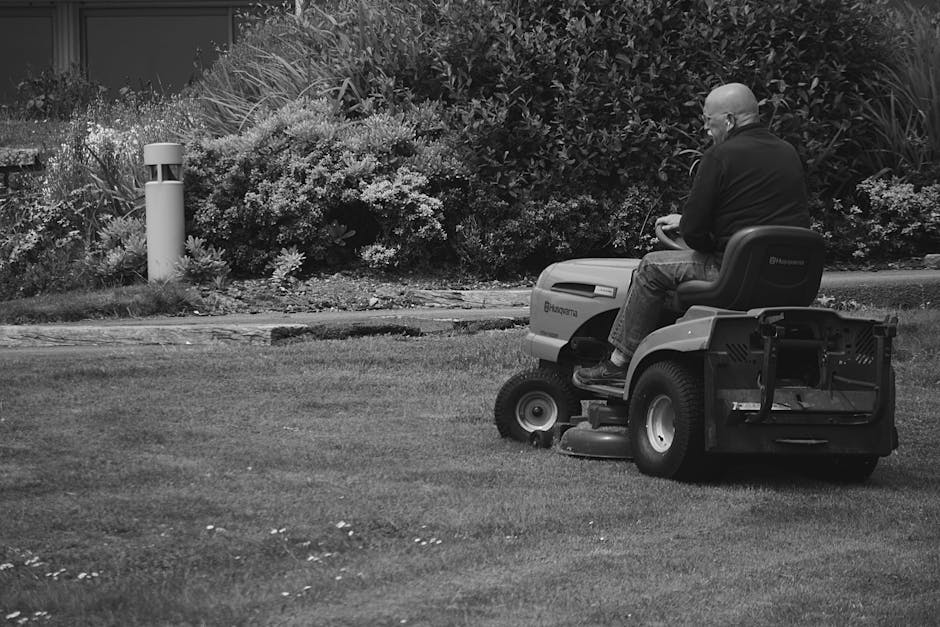
Replingham Road gardeners top local garden maintenance in SW18
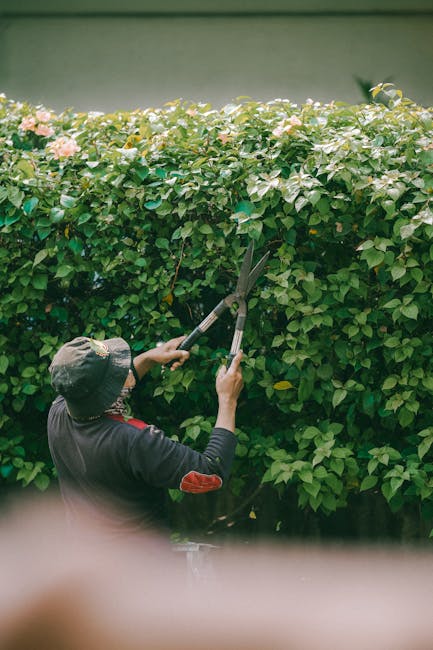
If you live near Replingham Road, you already know the garden question is rarely "Should I tidy it?" and more often "How do I keep it under control without spending every weekend at it?" That is exactly where Replingham Road gardeners top local garden maintenance in SW18 comes in. The best local help is not just about cutting grass or trimming a hedge. It is about keeping a garden healthy, usable, and looking like someone actually cares about it, even in the middle of a busy London week.
In SW18, gardens tend to work hard. Some are compact and shaded, others are narrow and exposed, and many have a mix of mature planting, paving, bins, bikes, and the usual day-to-day clutter that creeps in. A good maintenance routine makes all of that feel manageable. This guide breaks down what top local garden maintenance involves, how it works, who it suits, and how to choose the right support without overcomplicating things. Let's face it, nobody wants a "fresh start" that falls apart two weeks later.
Expert summary: The best garden maintenance is consistent, practical, and tuned to the season. In a place like Replingham Road, that usually means regular cutting, pruning, clearance, and small corrective jobs before they become bigger problems. Simple, steady care beats dramatic catch-up work almost every time.
Why Replingham Road gardeners top local garden maintenance in SW18 Matters
Local garden maintenance matters because gardens do not stand still. They grow, shed, lean, flower, seed, rust, clog, and spread. If you leave everything too long, a simple border tidy-up can turn into a much bigger job. In SW18, where many properties have limited outdoor space, that matters even more. A neglected garden can quickly start making the whole home feel busier, darker, and harder to enjoy.
There is also a local reality to consider: urban gardens around Replingham Road often sit close to fences, neighbouring plots, shared boundaries, and narrow side access. That means maintenance is not just about appearance. It is about access, airflow, privacy, drainage, and making sure plants do not slowly take over the whole space. A bit of structure goes a long way.
Good maintenance also helps you avoid the classic "summer panic." You know the one. It is a sunny weekend, you invite people over, and suddenly you are out there at 9am with shears, a bin bag, and a coffee going cold on the step. Regular local support stops the cycle. It keeps the garden in shape before the scramble begins.
For many households, the real value is consistency. A garden that is checked, trimmed, cleared, and reset each visit stays usable. The lawn keeps breathing. The hedges look finished. The edges stop looking fuzzy and forgotten. Not glamorous, perhaps, but very effective.
How Replingham Road gardeners top local garden maintenance in SW18 Works
Top local garden maintenance is usually a mix of routine tasks and seasonal adjustments. It is rarely a one-size-fits-all service. A small front garden needs a different rhythm from a family garden with lawn, shrubs, and a patio. The best gardeners will start by looking at what is actually growing, what is overdue, and what needs attention now versus later.
A typical visit might include lawn mowing, edging, weeding, hedge trimming, pruning, leaf clearance, deadheading, and basic waste collection. If the garden has been ignored for a while, a stronger reset may be needed first, which is where garden clearance can make sense before routine care begins. If the garden is already under control, then ongoing garden maintenance is usually the better long-term answer.
In practical terms, maintenance works best when it follows the seasons. Spring and early summer often focus on growth control, planting support, and shaping. Late summer and autumn are more about clearing, cutting back, and keeping paths, borders, and lawns tidy before the weather shifts. Winter is quieter, but it is still useful for structural pruning, debris removal, and checking for damage. Quiet months matter. Sometimes more than the loud ones.
The best local teams also keep an eye on small problems that can turn into expensive ones. A hedge that is leaning into a neighbour's garden, a lawn with patches of moss, a tree branch rubbing against a roofline, or a patio edge becoming slippery with algae-these all benefit from early attention. That is the difference between maintenance and repair.
Key Benefits and Practical Advantages
The obvious benefit is visual. A well-kept garden simply looks better. But the real value goes deeper than that. Regular maintenance improves use, safety, plant health, and the amount of time you actually spend enjoying the space instead of wrestling with it.
- Cleaner, calmer outdoor space: When borders, grass, and paths are maintained, the whole garden feels easier to live with.
- Healthier planting: Pruning, deadheading, and proper cutting encourage stronger growth and reduce overcrowding.
- Better kerb appeal: Useful if you are selling, letting, or simply want the front of the house to look cared for.
- Less weekend stress: Regular visits mean fewer giant jobs piling up at once.
- Improved safety: Reduced trip hazards, less hidden debris, and clearer access routes.
- More predictable costs: Ongoing maintenance is often easier to plan than repeated emergency tidy-ups.
There is also a practical financial angle. A garden that is consistently maintained tends to avoid the rough edges that make bigger jobs more time-consuming. Overgrowth, tangled waste, broken access, and neglected borders all add labour. It is not rocket science, but it is easy to forget. A small amount of regular care can save a lot of recovery work later.
If your garden includes harder landscape features, good maintenance helps those too. For example, timber structures and seating areas can benefit from associated care, and you may eventually want to consider decking services or broader landscaping if the space needs more than a tidy-up. Maintenance and improvement go together quite nicely, actually.
Who This Is For and When It Makes Sense
Garden maintenance is not only for people who love gardening. In fact, some of the most common clients are people who like having a good-looking outdoor space but do not want to spend all their time managing it. Fair enough, really.
This kind of service makes sense if you:
- have a busy work schedule and need the garden to stay under control
- own a rental property and want the outside space presentable
- are preparing to sell and need the garden to support the first impression
- have an elderly relative who wants a safe, tidy garden but cannot manage the work
- have recently moved in and inherited a space that is a bit chaotic
- want ongoing help rather than a one-off tidy-up every few months
It also makes sense if your garden has become a little uneven in its upkeep. Maybe the lawn is fine but the hedge is too tall. Maybe the borders are okay but the patio is buried under leaves. Maybe the whole thing is not bad, just not quite where you want it. That is a maintenance job, not a rescue mission.
Some homeowners only need monthly visits in quieter periods. Others need more frequent attention during spring and summer, when growth really takes off and everything seems to go feral overnight. If you have ever looked out on a Thursday and wondered how the ivy managed that much growth by Sunday morning, you are not alone.
Step-by-Step Guidance
If you are working out how to approach garden maintenance properly, keep it simple and systematic. A good routine usually follows these steps.
- Walk the garden properly. Look at lawn condition, hedge lines, border growth, drainage, access points, and any awkward corners that collect debris.
- Separate urgent tasks from routine tasks. Safety issues, blocked paths, and damaged branches come before cosmetic work.
- Define the maintenance scope. Decide whether you need mowing, trimming, weeding, clearance, pruning, or a combination.
- Set a realistic schedule. A regular plan is usually better than trying to do everything in one heroic burst.
- Prioritise seasonal work. Growth control in spring, tidying in summer, leaf and debris management in autumn, and structural checks in winter.
- Review access and disposal. Waste has to go somewhere, and a neat finish depends on getting that part right.
- Check the result after the first visit. A good gardener should leave you with a clear, workable baseline, not just a quick sweep and a goodbye.
In a typical SW18 garden, the first visit is often the most revealing. You may think you need "a quick tidy," and then discover there are three different levels of work: immediate clearance, recurring maintenance, and longer-term improvements. That is normal. Gardens are like that.
If the garden has become badly overgrown, it can help to begin with a clean reset, then move into lighter regular upkeep. That approach often produces the best finish and the least frustration. If you skip the reset stage, the maintenance plan can feel like mopping up forever.
Expert Tips for Better Results
A few practical habits make a noticeable difference, and they are the kind of things local gardeners notice straight away.
1. Do not let the hedge line drift. Once a hedge starts losing its shape, it takes longer to bring it back. Regular hedge trimming keeps the structure neat and avoids that shaggy, half-ignored look that creeps in so easily.
2. Keep an eye on lawn rhythm. Lawns in London do better with steady mowing than with dramatic, infrequent cuts. If grass gets too long, avoid taking too much off at once. A gentler approach is kinder to the lawn.
3. Clean before you cut where needed. Leaves, litter, and loose debris can hide what is actually happening in the garden. A quick clear-up first saves time and avoids silly mistakes. It really does.
4. Think in layers. Grass, hedges, shrubs, soil, and hard surfaces all need different treatment. Treating the garden as one lump usually gives a less polished result.
5. Keep the edges honest. Crisp borders and clean edges make a larger difference than people expect. They give a tidy impression even when planting is still actively growing.
6. Ask for practical advice, not just labour. A good local gardener should be able to tell you what can wait, what should be done now, and what is better left for another season.
7. Be clear about the finish you want. "Neat but natural" means something different to every person. Say it plainly. Saves bother later.
One of the best signs of a strong maintenance service is that the garden still looks like a garden afterwards, not a heavily edited version of one. Clean, healthy, balanced. That is the sweet spot.
Common Mistakes to Avoid
The most common mistake is waiting too long. A garden can survive a missed week, even a missed month, but the task list grows quietly in the background. By the time you notice, the work is no longer about maintenance alone.
Here are a few pitfalls worth avoiding:
- Trying to do everything at once: It often leads to rushed work and patchy results.
- Cutting too hard after a long pause: Over-pruning or scalping a lawn can set things back.
- Ignoring waste removal: The garden may be tidy, but if the clippings and cuttings stay put, the job feels unfinished.
- Forgetting access routes: Side paths, gates, and bin areas matter more than people think.
- Using a one-off tidy as a maintenance plan: It is not the same thing.
- Assuming all garden care is the same all year: It isn't. Seasonal changes matter a lot.
Another quiet mistake is not being honest about the condition of the garden. No judgement, honestly. But if a garden needs clearance before it can be maintained, it is better to say so early. That makes the plan more realistic and the result better.
And if you are comparing providers, pay attention to what they include. Some services are broad and tidy; others are more task-specific. For example, a maintenance visit might not cover heavier reshaping, tree work, or larger waste removal unless agreed in advance. Clarity saves back-and-forth later on.
Tools, Resources and Recommendations
You do not need a van full of kit to understand good maintenance, but it helps to know what is typically involved. Useful tools include lawn mowers, edging tools, secateurs, shears, pruning saws, rakes, leaf collectors, and waste bags or bins suitable for garden debris.
On the professional side, good garden maintenance also depends on the less visible resources: planning, timing, safe access, and proper disposal. A tidy result is rarely just about the tool in hand. It is about using the right method at the right moment.
When choosing services, it helps to look at the wider support available. A site that explains its services overview can make it easier to understand how maintenance fits alongside mowing, clearance, landscaping, and related work. If you need regular grass care, a dedicated lawn mowing service may be the simplest place to start. If the garden needs a stronger structural refresh, landscape gardening may be more appropriate.
For larger jobs, it is worth thinking about waste handling and sustainability too. Garden waste can build up fast, and a responsible approach to reuse, recycling, and disposal helps keep the whole process cleaner. If that matters to you, look at how the provider talks about recycling and sustainability. It is a small detail that often says quite a lot.
Law, Compliance, Standards, and Best Practice
For routine garden maintenance, the main thing is to work safely and responsibly. That means using equipment properly, keeping access routes clear, managing waste correctly, and being careful around walls, fences, sheds, and neighbouring boundaries. If you hire someone, you want them to be mindful of both safety and property condition.
In the UK, practical best practice usually includes sensible risk awareness, safe handling of tools, and appropriate care when working near trees, hedges, or potentially unstable surfaces. For tree-related work, it is important to recognise when a small trim is no longer enough and a specialist approach is needed. That is where tree lopping and removal may become relevant, especially if a branch is damaged, blocked, or interfering with structures.
Insurance and safety are worth asking about as well. Not because every job is dangerous, but because even routine outdoor work can involve slip risks, sharp tools, falls, and damage to property if things are handled carelessly. A clear approach to insurance and safety is a strong sign of professionalism.
You may also want to know how complaints, payments, and terms are handled, particularly if you are booking ongoing work. Transparent businesses usually make this straightforward. It is fair to expect clear payment and security information and accessible terms and conditions. That is just good practice, nothing fancy.
One more quiet but important point: if a service provider is open about policies, accessibility, and complaints, that tends to indicate a structured business rather than a vague "mate with a mower" arrangement. Sometimes you want the latter. Often, you really do not.
Options, Methods, or Comparison Table
If you are deciding how to keep a garden in shape, the main options usually fall into three broad approaches. Each has its place.
| Approach | Best for | Pros | Limitations |
|---|---|---|---|
| One-off tidy-up | Sudden overgrowth, pre-event cleaning, move-in prep | Fast reset, immediate visual improvement | Does not prevent regrowth or repeat issues |
| Regular maintenance | Busy households, rental properties, year-round presentation | Consistent condition, easier budgeting, fewer surprises | Requires ongoing schedule and coordination |
| Maintenance plus improvement work | Gardens that need both upkeep and structural changes | Balances care with long-term upgrades | Can take longer and needs clearer planning |
For many Replingham Road gardens, regular maintenance is the best core option, with occasional add-on work where needed. That might mean clearance one season, hedge shaping another, or a more ambitious redesign later on. There is no prize for doing it all at once.
If your garden is mostly fine but one area keeps causing trouble, it can be smart to target that problem first. A hedge that shades the border too much, a lawn section that never recovers, or a patch that traps leaves may deserve a specific fix rather than general attention. Small, accurate interventions often beat broad effort.
Case Study or Real-World Example
Consider a typical SW18 front and rear garden combination: the front space is small and visible from the road, while the rear garden has a modest lawn, a few shrubs, and a narrow paved area that catches leaves. Nothing extreme. Just busy.
Over a few months, the hedge begins to spill out, the lawn grows unevenly, and the path starts collecting moss and cuttings. The owner keeps meaning to deal with it, but weekends fill up. Sound familiar? A first maintenance visit focuses on clearing the debris, trimming the hedge back into line, mowing and edging the lawn, and removing the stuff that makes the garden feel heavier than it should. The result is not a dramatic redesign. It is something better: the garden feels easy again.
After that, regular visits keep it there. The hedge no longer crowds the path. The lawn stays manageable. The garden looks lived-in, not neglected. And the owner stops dreading the next sunny Saturday. That shift in feeling is often the real win.
In our experience, that kind of steady care is what people remember most. Not the biggest job. The most relieving one.
Practical Checklist
Use this checklist if you are planning garden maintenance in Replingham Road or anywhere nearby in SW18.
- Walk the whole garden before agreeing a plan.
- Identify what is urgent and what can wait.
- Check whether you need clearance before maintenance.
- Confirm the main tasks: mowing, trimming, weeding, pruning, edging, or all of the above.
- Ask how waste will be collected and removed.
- Clarify how often the garden should be maintained.
- Think about seasonal work as well as routine upkeep.
- Check whether safety, insurance, and terms are clear.
- Make sure access gates, side passages, and storage areas are ready.
- Review the finish after the first visit and adjust the plan if needed.
If you want a smoother long-term setup, it can help to speak with a team that offers both maintenance and related services, rather than juggling several disconnected providers. A single, sensible plan is easier to live with. Simpler, too.
Conclusion
Replingham Road gardeners top local garden maintenance in SW18 is really about dependable care, local understanding, and practical results. The best garden maintenance is not flashy. It is consistent, thoughtful, and responsive to what your garden actually needs across the year. That might mean regular mowing, hedge work, clearance, seasonal pruning, or a better long-term plan for a space that has fallen behind.
When you get it right, the garden becomes easier to use and nicer to look at. You spend less time catching up and more time enjoying the space. And honestly, that is the whole point. A well-kept garden should feel like a pleasure, not another job waiting at the end of the week.
If you are comparing options, start with clarity, ask practical questions, and choose the approach that fits your garden as it is today, not as you hope it magically becomes by next Tuesday. A little steady care goes a long way.
Get a free quote today and see how much you can save.
When a garden feels settled, the whole home tends to breathe a little easier. Nice, quiet, and properly looked after.
Frequently Asked Questions
What does garden maintenance usually include in SW18?
It often includes lawn mowing, hedge trimming, weeding, edging, pruning, leaf clearance, and general tidy-up work. The exact scope depends on the garden and how much needs doing.
How often should a garden be maintained?
That depends on growth, season, and how tidy you want the space to stay. Many gardens benefit from regular visits during spring and summer, with less frequent work in quieter months.
Is garden maintenance the same as garden clearance?
No. Garden clearance is usually the heavier job, where overgrowth, debris, and accumulated waste are removed. Maintenance is the ongoing care that keeps the garden in good condition afterwards.
Do I need a one-off tidy or ongoing maintenance?
If the garden is only slightly behind, ongoing maintenance may be enough. If it is badly overgrown or cluttered, a clearance first is often the better starting point.
Can maintenance help improve kerb appeal?
Yes, very much so. A tidy front garden makes the whole property look more cared for, which matters whether you are selling, renting, or just want the place to look its best.
What should I ask before booking a gardener?
Ask what tasks are included, how waste is handled, whether insurance and safety are covered, and how often they recommend visiting. That usually clears up most confusion early.
What if my hedge has grown too large for routine trimming?
If the hedge has become oversized or awkward, it may need a more substantial reduction or specialist attention rather than a simple trim. It is better to assess it properly than to guess.
Are there safety issues with regular garden work?
There can be, especially with tools, ladders, slippery surfaces, or heavy branches. Good practice means using the right equipment, working carefully, and keeping the site safe and tidy.
How do I know whether a provider is professional?
Look for clear communication, practical recommendations, transparent terms, and a sensible approach to waste, insurance, and safety. If everything feels vague, that is worth noticing.
Can garden maintenance include bigger improvements later on?
Yes. Many people start with maintenance and later add planting changes, landscaping, decking, or other improvements once the garden is under control.
What is the easiest way to keep a small London garden looking good?
Keep the routine simple: mow regularly, trim edges, control hedges, remove debris, and do a little often rather than a lot rarely. Small gardens can look brilliant with steady attention.
Where can I learn more about the service options available?
You can review the broader services overview and then decide whether you need maintenance, clearance, mowing, trimming, or a mix of services.