SW18 gardeners estate services for Southfields period properties
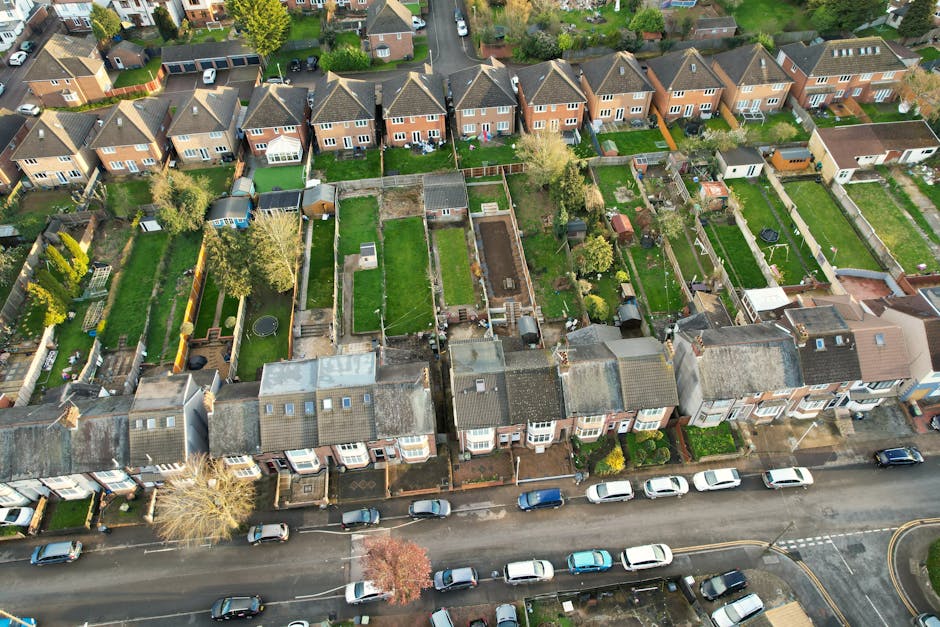
Southfields period homes have a certain quiet charm about them. The clipped front hedges, brick paths, mature planting, and those long-established gardens behind terraces and converted flats all need a steadier hand than a quick mow-and-go. That is where SW18 gardeners estate services for Southfields period properties come into their own. They are not just about keeping things tidy. They are about protecting character, managing growth properly, and making sure the outside space still feels like part of the home.
If you live in, manage, or look after a period property in Southfields, you will already know the problem: one wet month and the garden starts to run away with itself. Ivy creeps, lawns thin out, hedges lose their line, and old features like stone edging or timber details can be hidden fast. This article breaks down what estate-style garden care actually involves, how it works, what to expect, and how to choose the right approach without overcomplicating things. A lot of it is common sense, truth be told, but the details matter.
Table of Contents
- Why SW18 gardeners estate services for Southfields period properties Matters
- How SW18 gardeners estate services for Southfields period properties Works
- Key Benefits and Practical Advantages
- Who This Is For and When It Makes Sense
- Step-by-Step Guidance
- Expert Tips for Better Results
- Common Mistakes to Avoid
- Tools, Resources and Recommendations
- Law, Compliance, Standards, or Best Practice
- Options, Methods, or Comparison Table
- Case Study or Real-World Example
- Practical Checklist
- Conclusion
- Frequently Asked Questions
Why SW18 gardeners estate services for Southfields period properties Matters
Period properties in Southfields often have layered gardens rather than simple, modern plots. You may be dealing with mature shrubs, shared boundaries, older paving, narrow side access, or planting that has been established over decades. That creates character, yes, but it also creates responsibility. Garden care has to respect the property's style while staying practical for day-to-day use.
Estate services are useful because they bring consistency. Instead of waiting until everything looks unruly and then tackling it in a rush, the garden is managed in a planned way. That is a better fit for mature planting, heritage-style frontages, and communal spaces where one missed visit can suddenly make the whole place look tired.
There is also a visual point that matters more than people admit. A well-kept garden sets the tone before anyone reaches the front door. For period properties, that first impression should feel balanced, not over-clipped and not wildly informal. The right gardener understands where restraint works and where a softer, more natural shape suits the building.
And let's be honest: old gardens can hide surprises. Worn edging, shallow-rooted plants, awkward access, and inherited overgrowth are all fairly normal in SW18. The point of an estate-style service is not just cutting things back. It is reading the space properly and caring for it with a bit of judgement.
How SW18 gardeners estate services for Southfields period properties Works
The process usually starts with a walk-through. A good local gardener will look at the layout, existing planting, access points, condition of lawn areas, hedge lines, boundary issues, and any features that need gentler handling. With period properties, that first look matters. It is where the service becomes tailored rather than generic.
From there, the work is commonly split into planned tasks. Some gardens need weekly or fortnightly maintenance; others need seasonal visits plus occasional heavier work. The exact rhythm depends on how much growth there is, how the garden is used, and whether it is a private garden, a shared estate area, or part of a managed residential property.
Typical estate garden care may include:
- Lawn care and regular mowing to keep grass level and healthy
- hedge trimming to maintain clean lines without damaging structure
- Border tidying, weed control, and pruning
- Leaf clearance and seasonal cut-backs
- Path and access clearing so the garden remains usable
- Selective shaping of mature planting rather than harsh cutting
For gardens that have become cluttered or difficult to manage, a one-off garden clearance service may be needed before regular maintenance can start. That is often the cleanest way to reset a period garden without losing the underlying structure.
If the space needs more than maintenance, you might also look at landscape gardening or broader landscaping work. That can help when beds are poorly laid out, drainage is awkward, or a tired garden needs better flow. Small changes can make an old garden much easier to live with. Not dramatic. Just sensible.
Key Benefits and Practical Advantages
There are plenty of reasons people choose estate-style garden services for period homes, but the most valuable ones are not always the flashiest.
- Character is preserved. Mature shrubs, old trees, and original garden lines are handled more carefully.
- The property looks cared for all year. That matters for owners, tenants, visitors, and residents alike.
- Problems are caught early. A small drainage issue, an overgrown hedge, or a patch of bare lawn is easier to manage before it snowballs.
- Shared spaces stay fair and tidy. In managed estates, regular upkeep reduces complaints and avoids the classic "someone else will deal with it" problem.
- Seasonal work becomes predictable. No more sudden spring panic or autumn leaf pile-up.
- Access and safety improve. Clear paths, trimmed growth, and sensible pruning help people move around the property safely.
A quieter benefit is time. Good maintenance saves time for owners and residents because the garden does not keep demanding a big rescue job every few months. Once a garden gets into a rhythm, it is much easier to keep it there. You will notice the difference after just a couple of cycles.
For larger properties, or those with several outdoor zones, service consistency also helps with budgeting. It is easier to plan work in stages than to pay for a full reset each season. If you want to compare options, the services overview is a useful place to understand how the different garden services fit together.
Who This Is For and When It Makes Sense
This type of service is not only for grand houses with large grounds. In SW18, it is often just as relevant to smaller Southfields period terraces, mansion blocks, garden flats, and older homes with shared outdoor areas. The common thread is that the garden has more structure, more history, or more maintenance sensitivity than a plain modern plot.
It makes particular sense if you are:
- An owner of a period house with mature planting
- A landlord who wants the exterior to stay presentable between tenancies
- A managing agent or residents' group overseeing communal gardens
- A homeowner who prefers a calm, polished look rather than a constantly changing garden
- Someone with an older garden that has become overgrown or patchy
It is also a smart choice if the property has features that need careful handling. Think clipped front hedges, established herbaceous borders, old brickwork, decking that needs checking, or mature trees that cast shade and drop debris. In those cases, a routine mow alone is not enough.
Sometimes the trigger is simple: a garden that used to be manageable suddenly becomes too much. Maybe the previous gardener retired. Maybe the property was empty for a while. Maybe life got busy. Happens all the time. Estate services are often the reset button.
Step-by-Step Guidance
If you are planning estate-style garden care for a period property in Southfields, a straightforward process keeps everything calmer.
- Walk the garden properly. Identify what is actually there, not what you think is there. Mature beds can hide a lot.
- Separate urgent work from routine work. Safety issues, access problems, and heavy overgrowth should come first.
- Choose the right maintenance rhythm. Weekly, fortnightly, monthly, or seasonal visits each suit different gardens.
- Protect the features that matter. Old paving, brick edging, shrubs with shape, specimen trees, and heritage planting need a lighter touch.
- Agree the scope clearly. Know what is included, what counts as additional work, and how often visits will happen.
- Review after the first few visits. Gardens change through the year, so the plan should flex a little.
A practical example: a Southfields front garden with a mature yew hedge, an ageing lawn, and mixed borders may need one heavier initial tidy-up, followed by regular hedge shaping, lawn mowing, and smaller pruning visits. That is much better than hacking everything back in one afternoon. Honestly, the plants notice. So do the neighbours.
If tree work is part of the job, it should be considered carefully. For larger limbs, obstructive growth, or unsafe specimens, professional tree lopping and removal may be appropriate, but only where the tree genuinely needs that level of intervention.
Where timber surfaces or outdoor structures are part of the property, you may also want to review decking services. Old period gardens often mix planting and hard landscaping in ways that need both to work together.
Expert Tips for Better Results
Here is where a bit of experience saves time and frustration.
- Keep the garden's original rhythm. Period gardens often look best when they are tidy, not over-designed.
- Prune with restraint. Cutting too hard can expose old wood, weaken flowering, or leave shrubs looking blunt.
- Use seasonal timing sensibly. Spring growth, summer watering pressure, autumn leaf fall, and winter structure all need different responses.
- Protect soil and roots. Heavy foot traffic around beds can compact soil quickly, especially after rain.
- Don't ignore the small stuff. A little weed control and deadheading goes a long way in keeping the whole place feeling polished.
One small thing people often miss: light, regular work is kinder to old gardens than occasional "big" work. Less drama. Less waste. Better shape. In a place like Southfields, where many properties have tight front plots and established rear gardens, that gentle rhythm usually wins.
If a garden feels chronically messy, consider whether the issue is not maintenance but layout. Sometimes the answer is smarter planting, a simpler border, or a path that makes access easier. That is where thoughtful landscape planning really pays off.
For service confidence, it also helps to understand the company behind the work. A page like about us can give you a better feel for values, approach, and local working style before you commit.
Common Mistakes to Avoid
Most garden problems do not begin with a disaster. They start with a small misstep repeated over and over. That sounds a bit dramatic, but it is true.
- Cutting everything back too hard. It can make a period garden look stripped and can damage mature plants.
- Ignoring seasonal buildup. A few fallen leaves become a slippery path and a clogged border before you know it.
- Choosing the wrong service level. A one-off tidy is not the same as ongoing estate maintenance.
- Overlooking access issues. Narrow side returns, shared gates, and old steps can make work slower and more complex.
- Mixing up cosmetic and structural work. A neat garden is good; a healthy garden is better.
Another common issue is assuming all lawns need the same treatment. They do not. Shade, age, soil condition, and footfall all change the outcome. If your grass is thin or patchy, a routine mow may not solve the real issue. A better maintenance plan, possibly combined with broader garden maintenance, is usually more effective.
And one more, because this gets overlooked: do not leave communication vague. If the gardener does not know whether you want formal lines, a natural edge, or a minimal intervention approach, you are setting yourself up for a slightly awkward conversation later.
Tools, Resources and Recommendations
You do not need a shed full of equipment to manage a period garden well, but the right tools and service mix make life much easier.
| Need | Useful Approach | Why It Helps |
|---|---|---|
| Regular lawn care | Scheduled mowing and edging | Keeps lawn areas neat and stops rough growth from taking over |
| Formal boundary lines | Routine hedge shaping | Maintains symmetry and keeps access clear |
| Overgrown areas | One-off clearance before maintenance | Resets the space so future visits are more efficient |
| Mature or awkward trees | Careful pruning or specialist removal where needed | Reduces risk and prevents future damage |
| Shared estate spaces | Planned maintenance schedule | Keeps residents aligned and reduces complaints |
For people comparing service levels, the most useful page is often pricing and quotes. It helps you understand how scope and frequency affect the work, without forcing you into guesswork. That is useful, because garden jobs are rarely one-size-fits-all.
If sustainability matters to you, it is worth looking at how green waste and materials are handled. The recycling and sustainability page is a good reference point for readers who want a tidier garden and a lighter environmental footprint. Not a bad combination, really.
For service standards and expectations around safety and procedures, it can also help to review the site's health and safety policy and insurance and safety information. Those pages matter more than people think, especially for larger or more complex properties.
Law, Compliance, Standards, or Best Practice
Garden maintenance in a period property context is not usually about heavy regulation, but there are still sensible UK expectations to keep in mind. Safety, property access, waste handling, and care around trees and boundaries all deserve proper attention. If a provider is working on shared estates, they should be able to explain how they manage risk, protect people on site, and handle work responsibly.
Where tree work is involved, it is particularly important not to guess. Large branches, proximity to buildings, and root systems can complicate a job quickly. A cautious assessment is better than a rushed cut. Likewise, if there are mature shrubs or trees with historic value to the garden layout, pruning should be done with an understanding of plant health and seasonal timing.
Best practice usually means:
- Clear scope before work begins
- Safe use of equipment and controlled access to the site
- Respect for neighbouring properties and shared spaces
- Responsible disposal or recycling of garden waste
- Transparent communication if conditions change
For customers, there is a simple rule: ask enough questions to feel comfortable, but not so many that the job gets lost in paperwork. Somewhere in the middle is ideal. If you are unsure about policies, the site's terms and conditions and complaints procedure are sensible places to check how the service is structured.
And a small but important note: if access is awkward, if the garden is unusually steep, or if there are safety concerns, say so early. That is not being difficult. It is being practical.
Options, Methods, or Comparison Table
Different properties in Southfields need different levels of care. Here is a simple comparison that may help you decide what makes the most sense.
| Approach | Best For | Pros | Trade-Offs |
|---|---|---|---|
| Basic tidy-up | Lightly used gardens that only need a refresh | Quick, cost-effective, useful before a sale or tenancy change | Does not solve ongoing growth issues |
| Regular maintenance | Occupied period homes and shared estates | Stable appearance, easier upkeep, fewer surprises | Requires ongoing commitment |
| Clearance plus maintenance | Overgrown or neglected gardens | Strong reset, better long-term control | More labour at the start |
| Maintenance plus landscaping | Gardens with structural problems or poor layout | Improves use, access, and overall design | Longer project timeline |
For many Southfields period properties, the best answer is a combination: a reset, then a regular care plan. That is usually the least stressful option for everyone involved. A little boring, maybe. But boring is good when the garden is healthy and the hedge is straight.
Case Study or Real-World Example
Consider a typical Southfields period terrace with a narrow front garden, a rear lawn, several mature shrubs, and a hedge bordering a shared path. The garden has good bones, but it has been left for a while. The hedge is leaning out, the lawn is patchy, and fallen leaves have started collecting in the corners. Nothing dramatic. Just enough to make the space feel neglected.
The best approach is not to attack everything in one go. First, a clearance and tidy-up to remove excess growth and open the space back up. Then, a tailored maintenance plan: regular mowing, hedge trimming at the right time, border attention, and checks on drainage and access. If there are stubborn problem areas, a bit of landscape gardening may be needed to improve the layout or rework a border.
What changes after that? Usually the whole atmosphere of the property. The front looks more elegant. The rear garden becomes usable again. And the maintenance work feels lighter because the site is no longer fighting you every visit. That is the real win. Not a dramatic makeover, just a calmer garden that belongs to the house again.
I have seen this happen more than once. One week the place feels a bit overwhelmed; a few visits later, it has its shape back. You can almost hear the garden sigh with relief. Slightly odd to say, but there you are.
Practical Checklist
Use this before booking or scheduling estate-style garden services for a period property.
- Identify whether the garden needs a reset, routine care, or both
- Note any mature trees, hedges, or delicate planting
- Check for access issues, shared areas, or narrow side passages
- Decide how formal or natural you want the garden to look
- Ask how waste will be removed, recycled, or handled
- Clarify whether lawn care, hedge trimming, and clearance are included
- Review safety, insurance, and policy information before work begins
- Agree the visit frequency that suits the property and season
- Set expectations for communication and progress updates
- Reassess after the first few visits and adjust if needed
Expert summary: The best SW18 estate garden care for period properties is usually calm, regular, and slightly conservative in approach. Keep the shape, protect the character, and avoid overworking mature features. That combination tends to age well.
Conclusion
SW18 gardeners estate services for Southfields period properties are about much more than keeping grass short or hedges neat. They are about respecting the age and style of the property, keeping outdoor areas usable, and managing growth in a way that feels steady rather than reactive. For Southfields homes with history, that steady hand makes a real difference.
The best results come from a clear plan, the right level of service, and a gardener who understands that older gardens need judgement as much as effort. Get that balance right, and the whole property feels better: cleaner lines, calmer planting, safer access, less stress. Simple as that, really.
If you are comparing options or planning a garden reset, take your time, ask the practical questions, and choose the approach that fits the property rather than forcing the property to fit the service.
Get a free quote today and see how much you can save.
With the right care, even a tired period garden can settle back into itself beautifully, and that is a good feeling to come home to.
Frequently Asked Questions
What are SW18 gardeners estate services for Southfields period properties?
They are tailored garden maintenance and care services designed for older homes, shared grounds, and period properties in Southfields. The focus is on keeping the garden tidy, healthy, and in keeping with the property's style.
Why do period properties need a different gardening approach?
Because they often have mature planting, older layouts, narrow access, and features that can be damaged by rough treatment. A period garden usually needs a gentler, more considered approach than a standard modern plot.
How often should a period property garden be maintained?
That depends on the size of the garden, the rate of growth, and how visible the space is. Many Southfields gardens benefit from regular visits, while some only need seasonal work plus occasional heavier attention.
Is a one-off clearance enough for an overgrown garden?
It can be a good start, especially if the garden has been neglected. In many cases, though, clearance works best when followed by ongoing maintenance so the space does not slip back again.
Can estate garden services include hedge trimming and lawn care?
Yes, those are often core parts of the service. Regular hedge trimming and lawn mowing help maintain shape, improve appearance, and keep the garden manageable across the seasons.
What if the garden has mature trees or awkward overgrowth?
Then the service may need to include more careful pruning or, where appropriate, professional tree lopping and removal. The key is to assess the work properly rather than rushing into a heavy cut.
Are estate services suitable for smaller Southfields gardens?
Absolutely. Smaller period gardens can be just as detailed as larger ones, especially if they include mature shrubs, boundary hedges, or older surfaces that need regular attention.
How do I know whether I need landscaping as well as maintenance?
If the garden has poor layout, drainage issues, awkward access, or planting that no longer works well, some landscaping may help. If the structure is sound and it mainly needs regular upkeep, maintenance may be enough.
What should I ask before booking a gardener?
Ask what is included, how often visits will happen, how waste is handled, whether the team is insured, and how they work around older or delicate garden features. Those questions save a lot of back-and-forth later.
Do I need to worry about safety or compliance?
It is sensible to check safety and insurance information, especially for larger gardens, shared spaces, or tree work. Good providers should be clear about how they manage risk and how they handle the job responsibly.
Can garden maintenance help increase the value of a period property?
It can improve presentation and help the home feel well cared for, which matters to buyers and visitors. No honest gardener should promise a specific uplift, but a neat, characterful garden absolutely supports first impressions.
What is the biggest mistake people make with older gardens?
Usually it is cutting too much, too fast. Period gardens often respond better to careful, repeated maintenance than to a single aggressive tidy-up. Slow and steady tends to win here.
How do I get started?
Start with a clear look at the garden's condition, decide whether it needs clearance or ongoing care, and then speak to a local provider about the right maintenance plan. If you are ready to move forward, use the site's contact options and ask for a tailored quote.